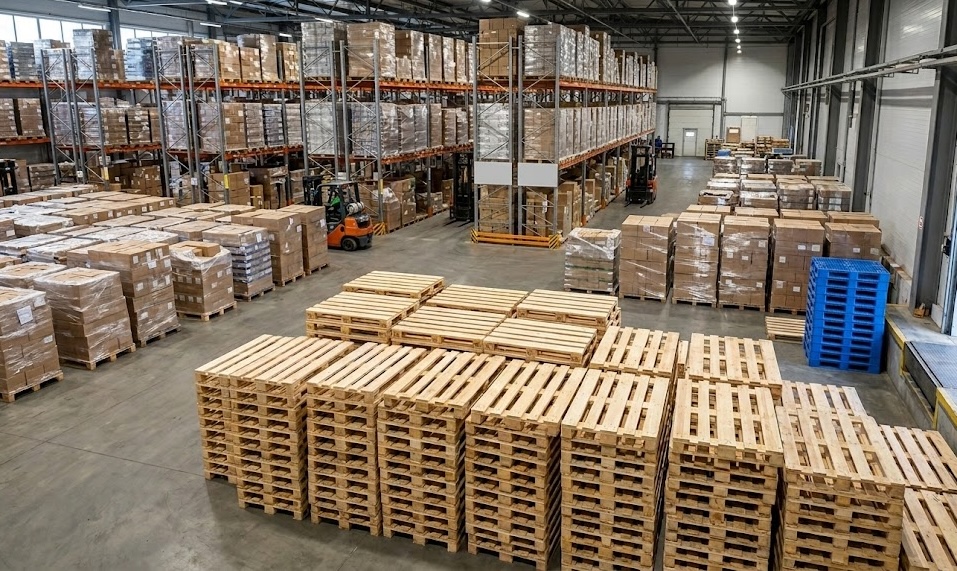
If the last few years have taught businesses anything, it's that supply chain disruptions can come from anywhere — and they can hit hard. Pallet shortages might not make headlines like semiconductor or fuel shortages, but they can bring your shipping operations to a grinding halt just as effectively.
Why Pallet Shortages Happen
Several factors can squeeze the pallet supply:
- Lumber price volatility: When lumber prices spike, new pallet costs increase and production may slow.
- Seasonal demand: Agricultural seasons, holiday shopping, and construction booms all create peak demand periods.
- Labor shortages: Pallet manufacturing and repair require skilled workers, and the labor market has been challenging for everyone.
- Transportation bottlenecks: Even if pallets are available, getting them delivered can be complicated during widespread disruptions.
- Pandemic aftereffects: E-commerce growth has permanently increased pallet demand beyond pre-2020 levels.
Strategies to Protect Your Supply
1. Diversify Your Suppliers
Don't rely on a single pallet source. Maintain relationships with at least two or three suppliers who can step in if your primary source encounters problems. Mix between new and used pallet suppliers for additional flexibility.
2. Build a Buffer Stock
If you have the space, maintaining a 2-4 week buffer inventory of pallets provides a cushion against short-term disruptions. Yes, it ties up some capital and space, but the cost of a production shutdown far exceeds the cost of extra pallet storage.
3. Establish a Return Program
Pallets you send out don't have to be one-way trips. Work with your customers and distribution partners to return pallets to your facility. Even a 30-40% return rate significantly reduces your dependence on external supply.
4. Consider Long-Term Contracts
Suppliers are more likely to prioritize customers with established contracts during shortage periods. A long-term agreement locks in pricing and ensures you have a guaranteed allocation even when demand peaks.
5. Explore Multiple Pallet Types
Can some of your operations use plastic pallets? Presswood pallets? Having approved alternatives gives you options when one type is scarce. Cross-train your team on handling different pallet materials.
6. Partner Locally
Local suppliers are less affected by long-distance transportation disruptions. Building relationships with nearby pallet companies means shorter lead times and more reliable delivery, regardless of what's happening nationally.
Planning Ahead
The best time to prepare for a pallet shortage is before it happens. Review your pallet consumption patterns, identify your peak periods, and put contingency plans in place now. A little proactive planning goes a long way toward keeping your operations running smoothly.
Want to set up a supply agreement that protects your business? Let's talk about a partnership that ensures reliable pallet supply year-round.